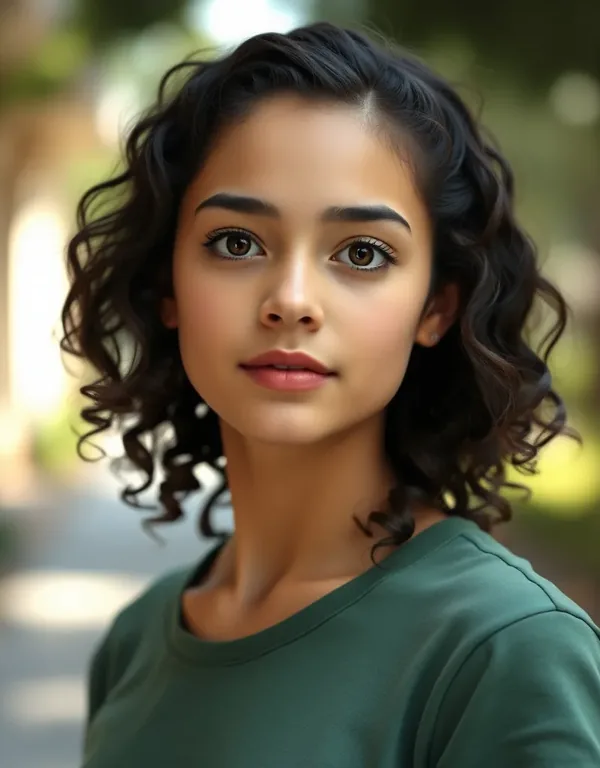
- 1 · Photo
- 2 · Full body
- 3 · Walking
- 4 · Waving
An image model invents the full body in a clean standing pose, a 3D generator turns that into a textured mesh, and our rigging step gives it a skeleton and motion. The person shown is AI-generated, not a real individual.
What we tried
- Qwen-Image-Edit-2511 to turn the portrait into a full-body standing pose with the arms away from the body, which image-to-3D needs.
- TRELLIS and Pixal3D for the mesh, compared on the same input.
- Automatic rigging in Blender, then motion retargeted from our text-to-motion library.
What we measured
| Measure | Result | Note |
|---|---|---|
| Input | 1 portrait photo | |
| Full-body edit, free GPU Space | 283–321 s | |
| Motions exported | walk, stop, wave |
What went wrong
- The fast 4-step edit Space failed on every call, so we use the full model.
- Arms touching the torso fuse into it during 3D generation; the edit prompt now forces a gap.
What happens next
- Meshy for the 3D step, which fixed most of the detail problems on our cars.
- Keyframe in-betweening: set a start, middle and end pose and let the motion model fill the rest.
Built with
- Qwen-Image-Edit-2511 Apache-2.0
- TRELLIS MIT
- Blender 5.1 GPL (tool only)
Next experiment
The silent PyTorch bug that made our car model get worse →
Want this for your data?