◂▸
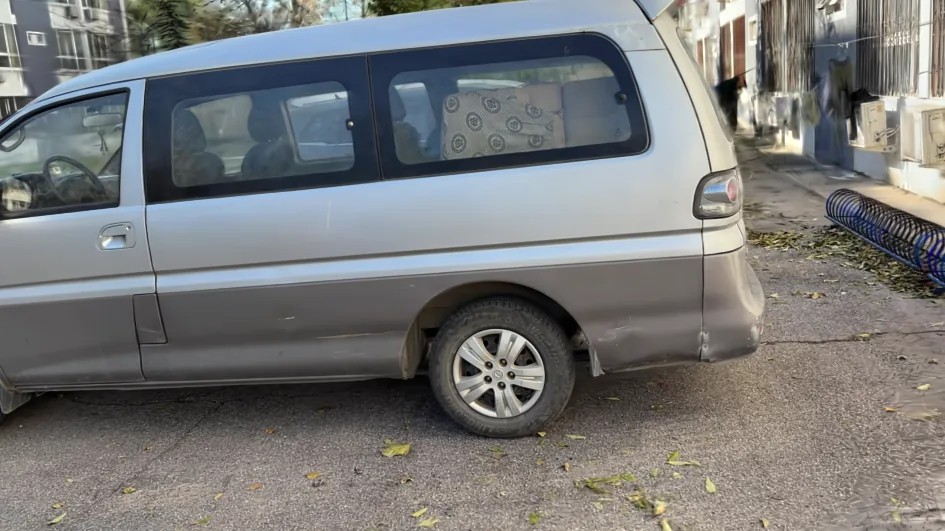
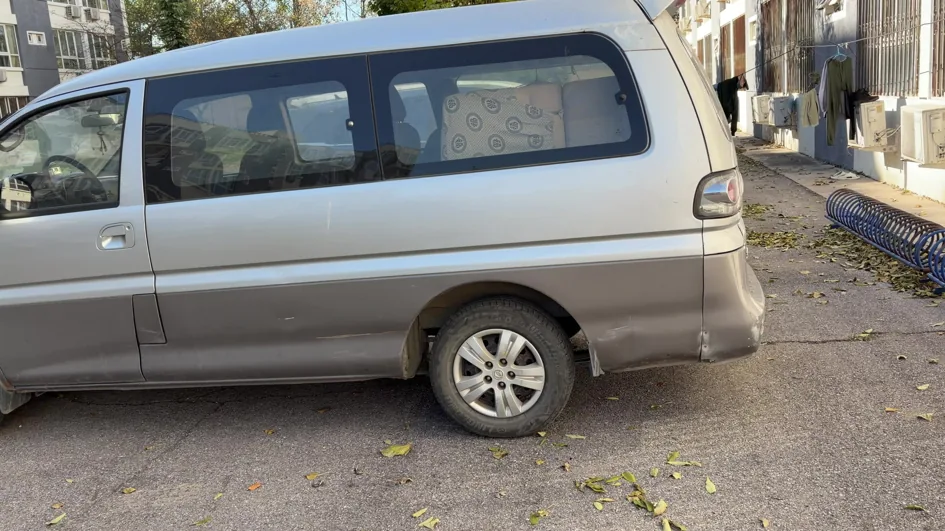
We trained our own Gaussian splatting recipe on a published vehicle scene and scored it on held-out photographs. It edges past our reproduction of RT-Splatting (23.57 dB) while training in 36 minutes instead of 2 hours 41 minutes on one RTX 4070.
What we tried
- A published 208-photo vehicle scene, with 30 photographs held back for scoring only.
- gsplat with MCMC densification and a 1.5 million Gaussian cap, trained for 30,000 steps.
- The same scene and split as our earlier RT-Splatting reproduction, so the numbers compare directly.
What we measured
| Measure | RT-Splatting, our reproduction | Our recipe | Note |
|---|---|---|---|
| Average PSNR, 30 held-out photos | 23.57 dB | 23.86 dB | |
| Training time, one RTX 4070 | 2 h 41 m | 36 m | |
| Glass-region PSNR | 31.72 dB | 30.72 dB | still behind |
| Test view shown above | — | 24.47 dB | the median of the 30, not the best |
What went wrong
- Our first reflection-aware run scored 22.92 dB, worse than the plain baseline. Degree-3 spherical harmonics let the ordinary colour absorb the reflections, so the reflection branch had nothing left to learn.
- A second reflection run with degree-0 colour, which forces view-dependent light through the reflection branch, did worse again: 22.37 dB overall and 28.81 dB on glass.
- A background GPU job silently stalled for 101 minutes. Past 12 GB of VRAM this card does not crash; it slows to roughly 0.1 % speed, so every run now checks memory before it starts.
What happens next
- Work out why an explicit reflection branch keeps losing to plain view-dependent colour on this scene before trying a third variant.
- Close the 1.0 dB glass gap, then apply the recipe to customer car captures.
Built with
- gsplat 1.5.3 Apache-2.0
- PyTorch 2.4 BSD-3
Next experiment
Rebuilding our drivable cars with a better generator →
Want this for your data?